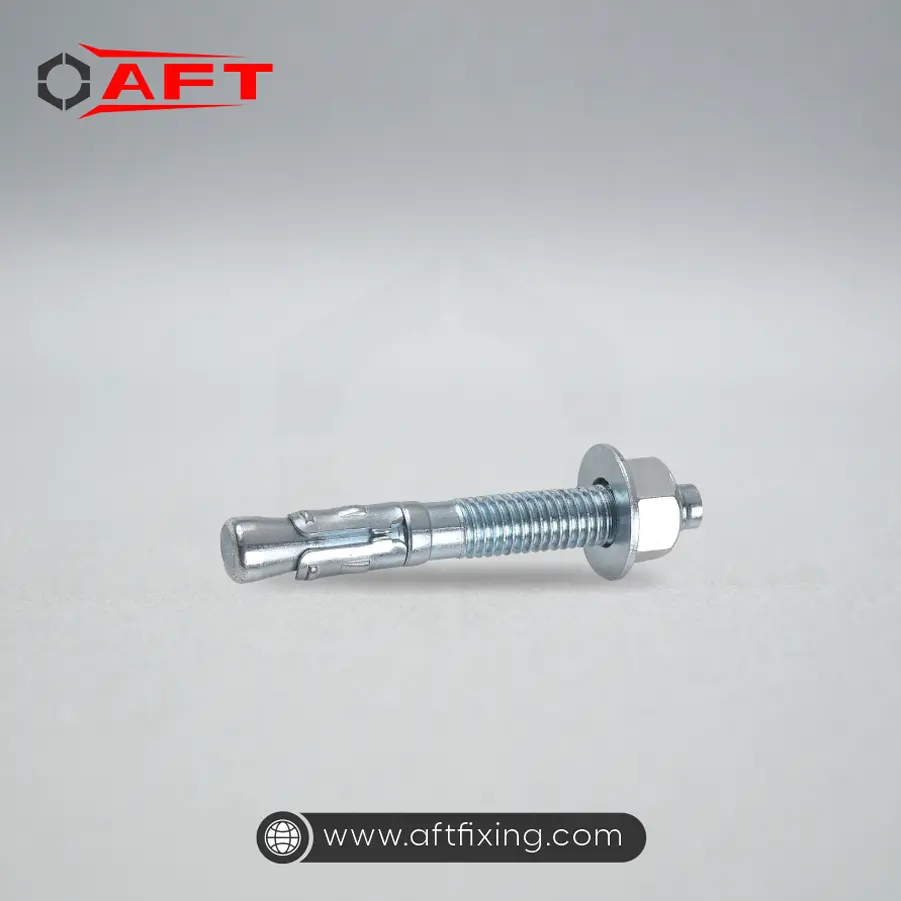





- Home
- Anchor Rods
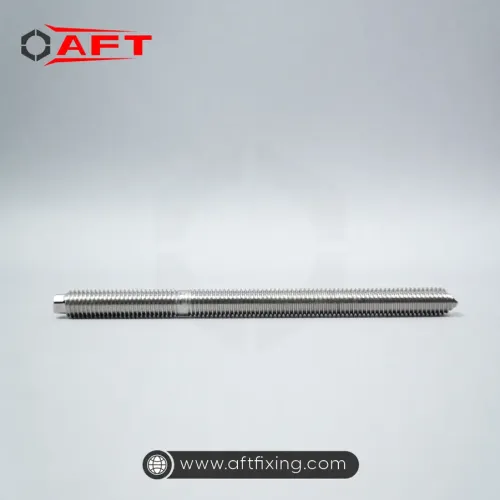
Anchor Rods Manufacturers in India work around one clear responsibility, which is to provide solutions for fastening that can be relied upon when load, movement, and safety are all concerned at the same time. They manufacture various Types of anchor rods to accommodate concrete foundations, steel constructions, and mixed base materials, ensuring that the strength and alignment are controlled. The choice of materials and the precision of machining are treated with attention since minor irregularities could influence the long-term performance
Their advantage is their flexibility, as opposed to others. Anchor rods are produced in different lengths, diameters and surface finishes in such a way that they are similar to real site conditions.Each rod is tested against vibration, moisture exposure, and sustained loads, and they ensure reliability for engineers and contractors who can not afford the failure after installations
Key Advantages:
- Premium materials for durability and corrosion resistance
- Customizable sizes and finishes for all project needs
- Tested for long-term performance and reliability
Understanding Anchor Rods and Their Purpose
Anchor Rods are used to fix structural and mechanical components to solid base materials. Anchor rods in concrete provide dependable resistance against both static and dynamic forces. By distributing load through the base material, they help maintain alignment and reduce stress concentration. Their purpose goes beyond fixing. They support safety, stability, and long-term structural performance.
Primary Purpose:
- Brackets will securely connect a structure to concrete, steel, or masonry-like materials.
- Brackets are essential for dynamic load and static load support.
- Brackets distribute loads evenly across the surface to minimize damage.
- Structural brackets are important for the construction, industrial, and infrastructure industries.
Anchor Rods Suppliers & Dealers in India – Comprehensive Solutions for Every Project
The Anchor Rods Suppliers in India are significant in the elimination of project delays. They carry stock such as Threaded anchor rods that are normally utilized when you have to adjust them and give them a proper position. The suppliers can also ensure quality by ordering directly from the approved manufacturer and delivering it to the installation.
Selection support is also quite essential. Suppliers assist in aligning anchor rods to the conditions of the load, the strength of the material used in the base, as well as exposure, which is present on the site. The structured inventory and regular dispatch schedules minimize uncertainty within the ground and assist in facilitating regular and secure fastening within the project.
Fastening products of Anchor Rods Dealers in India are those that address real-life construction needs. Their concrete Anchor rods offer a variety of applications in areas where grip and load transfer are required over a long period of time. Dealers collaborate with manufacturers and make sure that the supplied rods are certified and meet the requirements of the grades.
Where Are Anchor Rods Commonly Used?
Beams, columns, and load-bearing frames are secured using an Anchor rod, which is made of steel. Widely used anchors. Older applications, Anchor rods are also used in the foundation of machinery, retaining system and heavy installations, where movement control is essential.
Common Applications:
- Securing steel beams, columns, and frameworks
- Mounting heavy machinery and industrial equipment
- Reinforcing concrete foundations and structures
- Infrastructure projects, including bridges and high-rises
Anchor Rods Wholesalers in India – Applications Across Industries
Anchor Rod Wholesalers in India focus on bulk availability for infrastructure and industrial projects. Clear Anchor rods price visibility helps buyers plan procurement without unexpected cost shifts. Bulk supply ensures uniformity across installations, which is critical in large structural frameworks.
Traders also guide buyers on handling and storage, because improper stacking or exposure can affect rod performance. Their structured supply process supports continuity, especially in long-duration projects.
Wholesale Benefits:
- Cost-effective bulk supply with transparent pricing
- Wide range of rod sizes and grades
- Reliable delivery for uninterrupted project execution
- Guidance on storage and handling for long-term durability
How Can You Install Anchor Rods Easily?
A Post-installed anchor rod allows fastening after concrete curing, which is useful in retrofitting or modification work. These rods are designed to achieve a stable grip without disturbing surrounding material, especially where structural changes are unavoidable.
Correct installation is whether it is cast-in-place or post-installed. Adherence to the instructions of the manufacturers helps to maintain the same load transfer and performance in the long run.
Installation Advantages:
- After concrete curing or steel placement, it is easy to install the brackets.
- The brackets have a high load capacity and structural integrity.
- The brackets can be installed on a new structure or retrofitted.
- The brackets do little or no damage to the underlying substrate and provide secure support for attachments.
Basic Design and Structure of Anchor Rods
Headed anchor rods use a formed head or flange to prevent movement once embedded. This design improves anchorage during concrete setting and ensures secure load transfer. The threaded section allows precise tightening with nuts and washers.Corrosive or high load conditions directly influence the performance of manufacturing quality.
Design Characteristics:
- The brackets include a threaded rod with a head or flange for stability.
- Brackets may be attached to the nuts and washers to develop safe connections.
- The brackets are constructed out of metals that are strong and do not corrode easily.
- The brackets can be applied in concrete, steel, and masonry like materials.
Selecting Anchor Rods Based on Load Requirements
Understanding Anchor rods vs anchor bolts helps ensure correct selection. Anchor rods offer flexibility in embedded or post-installed conditions, while anchor bolts are typically fixed during casting. Load direction, magnitude, and installation method should guide the choice.
Proper selection directly impacts safety and durability.
Selection Guidelines:
- Match rod type to load requirements and material
- Consider flexibility and installation method
- Evaluate structural and environmental conditions
- Consult manufacturer specifications for optimal use
Common Installation Mistakes to Avoid
The success of the use of a Post-Installed Anchor Rod is dependent on the way it is installed. During installation, many issues can occur that could lead to a lack of effectiveness of your anchor rod. For quick, you may not be able to drill to the proper depth, and it is also possible that you have not cleaned the holes properly before placing the anchor rod; all this cause lack of holding capacity for your anchor rod. If you want to increase the lifespan of your anchor rod, then follow your manufacturer's installation specification and use the approved installation method outlined in teh products manual
Installation Precautions:
- Drill holes to the proper depth and clean thoroughly
- Follow torque and insertion specifications
- Avoid over-tightening or under-tightening
- Inspect installation regularly for wear or loosening
How Long Do Anchor Rods Last?
Along with providing many years of service, the high quality and high durability of stainless steel anchor rods allow for many decades of service life. For successful installations, explain the ability to endure the extreme from the elements, and physical loads and forces on the anchors, thereby extending their positive effect on the structure throughout the project life. The quality life of your anchors can also be prolonged with regular check ups and using proper methods of installation.
Longevity Factors:
- Use of corrosion-resistant stainless steel materials
- Proper installation according to manufacturer guidelines
- Regular inspection and maintenance
- Protection from extreme environmental conditions
Advantages of Using Anchor Rods
High-quality Anchor Rod Design enhances the overall structural reliability of constructed structures and distributes loads more evenly across the structure. A well-designed Rod provides a dependable connection between all three types of installation (Steel, Concrete, Masonry), which improves safety and efficiency on any given project. Today's modern Anchor Rods are manufactured to withstand extreme vibration, corrosion, and higher-than-normal weight loads. As such, they have become a necessary element of modern construction and industrial and infrastructural processes.
Key Benefits:
- Load Optimization: Ensure safety and installation reliability.
- Brackets are not affected by stress or loads that may occur in the environment.
- Brackets have multiple applications, including construction, industrial, and infrastructure projects.
Connect with AFT to get reliable anchor rods for strong and stable construction.
Our Products Range
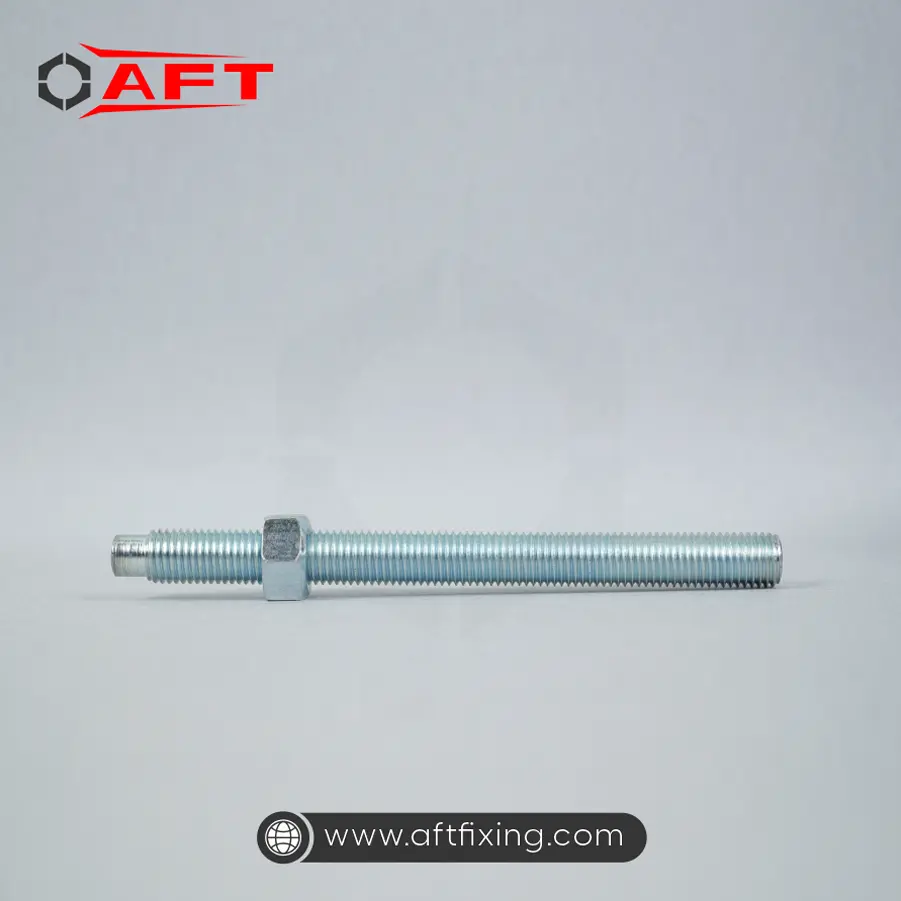
ACR-N
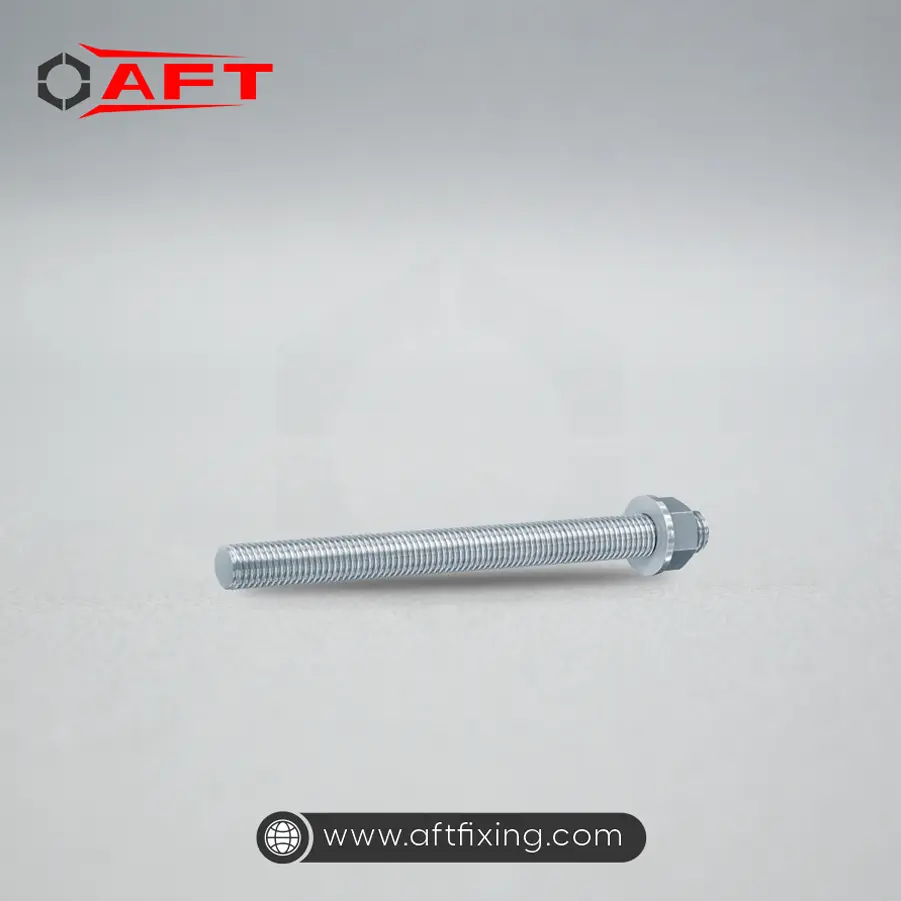
ACR-HP
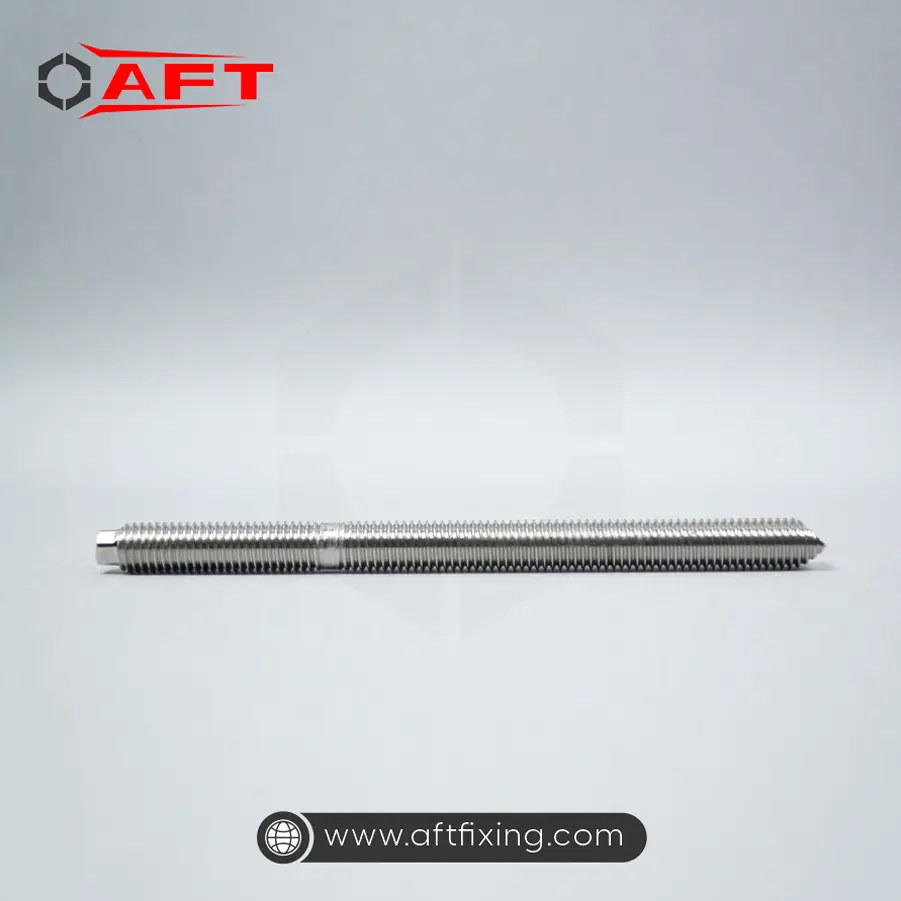
ACR-NR
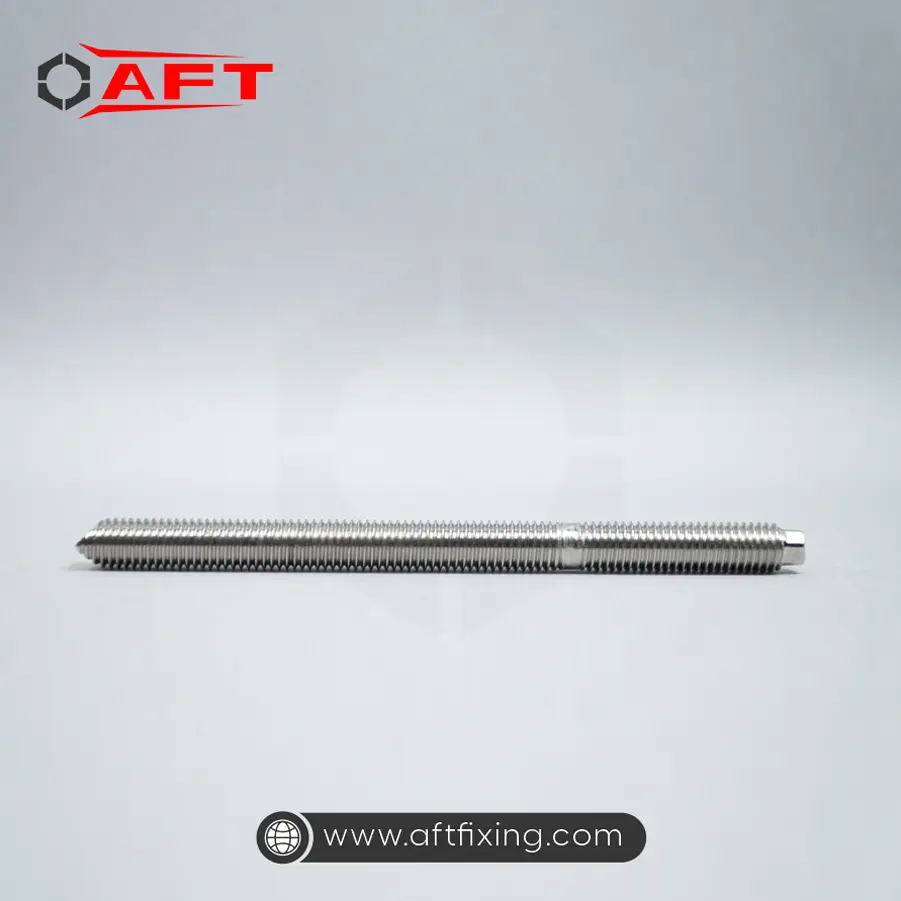
ACR-NSR
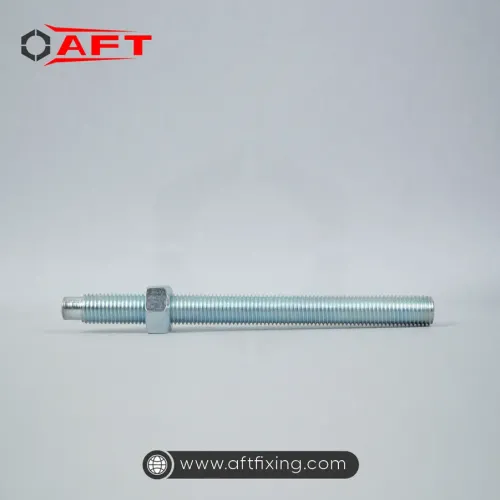
ACR-N Anchor Rods – Technical Specifications
Product :
Anchor Rod + Nut & Washer
Material Grade :
Galv. 5.8
Description
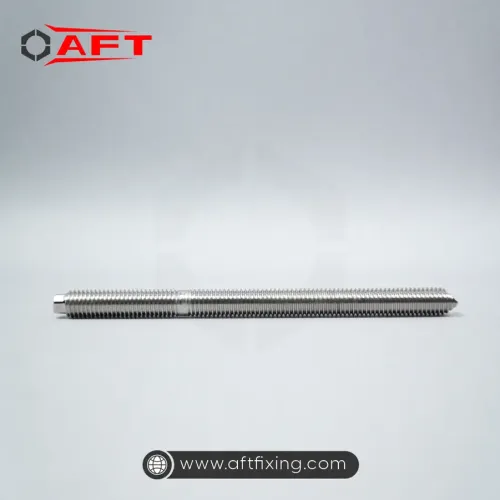
Threaded rod system for adjustable structural connections.
Key Features
Full thread length; flexible embedment depth; compatible with chemical anchors; economical structural fixing; reliable load transfer.
Applications
• Guardrail posts and crash barriers
• Bridge parapet supports
• Lifting equipment foundations
• Bollards and security posts
• Heavy canopy columns
• Industrial machinery base frames
| Code | Art No. | Thread Size (mm) | Length (mm) | Anchorage Depth (mm) |
|---|---|---|---|---|
| ACR-N-08110 | 905811 | 8 | 110 | 80 |
| ACR-N-08150 | 905812 | 8 | 150 | 80 |
| ACR-N-10130 | 905815 | 10 | 130 | 90 |
| ACR-N-10165 | 905816 | 10 | 165 | 90 |
| ACR-N-10190 | 905817 | 10 | 190 | 90 |
| ACR-N-10250 | 905818 | 10 | 250 | 90 |
| ACR-N-12120 | 905821 | 12 | 120 | 100 |
| ACR-N-12150 | 905822 | 12 | 150 | 110 |
| ACR-N-12190 | 905823 | 12 | 190 | 110 |
| ACR-N-12220 | 905824 | 12 | 220 | 110 |
| ACR-N-12250 | 905825 | 12 | 250 | 110 |
| ACR-N-12300 | 905826 | 12 | 300 | 110 |
| ACR-N-16150 | 905831 | 16 | 150 | 125 |
| ACR-N-16190 | 905832 | 16 | 190 | 125 |
| ACR-N-16260 | 905833 | 16 | 260 | 125 |
| ACR-N-16300 | 905834 | 16 | 300 | 125 |
| ACR-N-16350 | 905835 | 16 | 350 | 125 |
| ACR-N-16500 | 905836 | 16 | 500 | 125 |
| ACR-N-20220 | 905841 | 20 | 220 | 170 |
| ACR-N-20260 | 905842 | 20 | 260 | 170 |
| ACR-N-20300 | 905843 | 20 | 300 | 170 |
| ACR-N-20350 | 905844 | 20 | 350 | 170 |
| ACR-N-20400 | 905845 | 20 | 400 | 170 |
| ACR-N-20500 | 905846 | 20 | 500 | 170 |
| ACR-N-24300 | 905851 | 24 | 300 | 210 |
| ACR-N-24400 | 905852 | 24 | 400 | 210 |
| ACR-N-24600 | 905853 | 24 | 600 | 210 |
| ACR-N-30380 | 905856 | 30 | 380 | 270 |
| ACR-N-30500 | 905857 | 30 | 500 | 270 |
| ACR-N-30750 | 905858 | 30 | 750 | 270 |
ACR-NR Anchor Rods – Technical Specifications
Product :
Anchor Rod
Material Grade :
Stainless Steel 304
Description
Corrosion-resistant threaded rod for exterior connections.
Key Features
SS304 corrosion resistance; flexible assembly; long service life; compatible with chemical anchoring; clean thread finish.
Applications
• Façade primary brackets
• Structural steel columns & beams
• Base plate anchoring
• Heavy equipment foundations
• Retrofitting of steel structures
• Seismic strengthening works
| Code | Art No. | Thread Size (mm) | Length (mm) | Anchorage Depth (mm) |
|---|---|---|---|---|
| ACR-NR-08110 | 910211 | 8 | 110 | 80 |
| ACR-NR-08150 | 910212 | 8 | 150 | 80 |
| ACR-NR-10130 | 910215 | 10 | 130 | 90 |
| ACR-NR-10165 | 910216 | 10 | 165 | 90 |
| ACR-NR-10190 | 910217 | 10 | 190 | 90 |
| ACR-NR-10215 | 910218 | 10 | 215 | 90 |
| ACR-NR-10250 | 910219 | 10 | 250 | 90 |
| ACR-NR-12150 | 910222 | 12 | 150 | 110 |
| ACR-NR-12190 | 910223 | 12 | 190 | 110 |
| ACR-NR-12220 | 910224 | 12 | 220 | 110 |
| ACR-NR-12260 | 910225 | 12 | 260 | 110 |
| ACR-NR-12300 | 910226 | 12 | 300 | 110 |
| ACR-NR-16150 | 910231 | 16 | 150 | 125 |
| ACR-NR-16190 | 910232 | 16 | 190 | 125 |
| ACR-NR-16260 | 910233 | 16 | 260 | 125 |
| ACR-NR-16300 | 910234 | 16 | 300 | 125 |
| ACR-NR-16350 | 910235 | 16 | 350 | 125 |
| ACR-NR-20220 | 910241 | 20 | 220 | 170 |
| ACR-NR-20260 | 910242 | 20 | 260 | 170 |
| ACR-NR-20300 | 910243 | 20 | 300 | 170 |
| ACR-NR-24300 | 910251 | 24 | 300 | 210 |
ACR-NSR Anchor Rods – Technical Specifications
Product :
Anchor Rod
Material Grade :
Stainless Steel 316
Description
Premium corrosion-resistant anchor rod for harsh environments.
Key Features
SS316 marine-grade; long service life; high tensile performance; suitable for coastal zones; durable structural anchoring.
Applications
• Façade primary brackets
• Structural steel columns & beams
• Base plate anchoring
• Heavy equipment foundations
• Retrofitting of steel structures
• Seismic strengthening works
| Code | Art No. | Thread Size (mm) | Length (mm) | Anchorage Depth (mm) |
|---|---|---|---|---|
| ACR-NSR-08110 | 910411 | 8 | 110 | 80 |
| ACR-NSR-08150 | 910412 | 8 | 150 | 80 |
| ACR-NSR-10130 | 910415 | 10 | 130 | 90 |
| ACR-NSR-10165 | 910416 | 10 | 165 | 90 |
| ACR-NSR-10190 | 910417 | 10 | 190 | 90 |
| ACR-NSR-10215 | 910418 | 10 | 215 | 90 |
| ACR-NSR-10250 | 910419 | 10 | 250 | 90 |
| ACR-NSR-12150 | 910422 | 12 | 150 | 110 |
| ACR-NSR-12190 | 910423 | 12 | 190 | 110 |
| ACR-NSR-12220 | 910424 | 12 | 220 | 110 |
| ACR-NSR-12260 | 910425 | 12 | 260 | 110 |
| ACR-NSR-12300 | 910426 | 12 | 300 | 110 |
| ACR-NSR-16150 | 910431 | 16 | 150 | 125 |
| ACR-NSR-16190 | 910432 | 16 | 190 | 125 |
| ACR-NSR-16260 | 910433 | 16 | 260 | 125 |
| ACR-NSR-16300 | 910434 | 16 | 300 | 125 |
| ACR-NSR-16350 | 910435 | 16 | 350 | 125 |
| ACR-NSR-20220 | 910441 | 20 | 220 | 170 |
| ACR-NSR-20260 | 910442 | 20 | 260 | 170 |
| ACR-NSR-20300 | 910443 | 20 | 300 | 170 |
| ACR-NSR-24300 | 910451 | 24 | 300 | 210 |
Related Anchor Rods Products
Anchor Fastening Solutions in Major Construction & Infrastructure Projects

Central Vista
New Parliament Building

Statue of unity
Kewadia

BJP Headquarters
Ddu marg
FAQs – Anchor Rods Fasteners
Find answers to common questions about Anchor Rods including installation, applications, load capacity, and industrial usage.
An alignment is done through templates, layout guides or pre-drilled holes. After installation, the anchor rods are to be installed according to the instructions to be placed in the best possible position to withstand the maximum load.
Yes. Anchor rods are suitable in high rise and multi-story buildings due to their capacity to support heavy loads and give stable locking of structural components.
In comparison to the wedge or sleeve anchors, anchor rods are loaded, threaded rods that are used in heavy-duty structural uses. They may be fixed on concrete or masonry offering a long-lasting adjustable connection.
Absolutely. Anchor rods are fabricated to support heavy loads and they are usually applied in industrial systems to fix heavy machinery, the base of equipment and the structure.
Our Trusted Industrial Partners & Clients
Know More