




Sleeve vs Wedge Anchors Choosing the Right Concrete Fixing
Are you picking the right anchor for concrete? It is more than just a tech thing. It is about making sure stuff is safe, lasts, and works well in the long run. Sleeve anchors and wedge anchors are two popular options people look at. Both work with concrete, but they are for different jobs and act differently under stress.
People who work on real projects know that what you pick depends on the stuff you're working with, how much weight it needs to hold, and what the install is like. Fixing pros, like AFT Fixing, talk with builders and engineers all the time. They say that knowing the differences between anchors from the start can help stop problems, extra work, and wasted cash later on.
This guide gives you the lowdown on Sleeve Anchor Bolts, wedge anchors, and how they all work. That way, you can feel good about what you pick for your concrete projects.
Understanding Sleeve Anchors
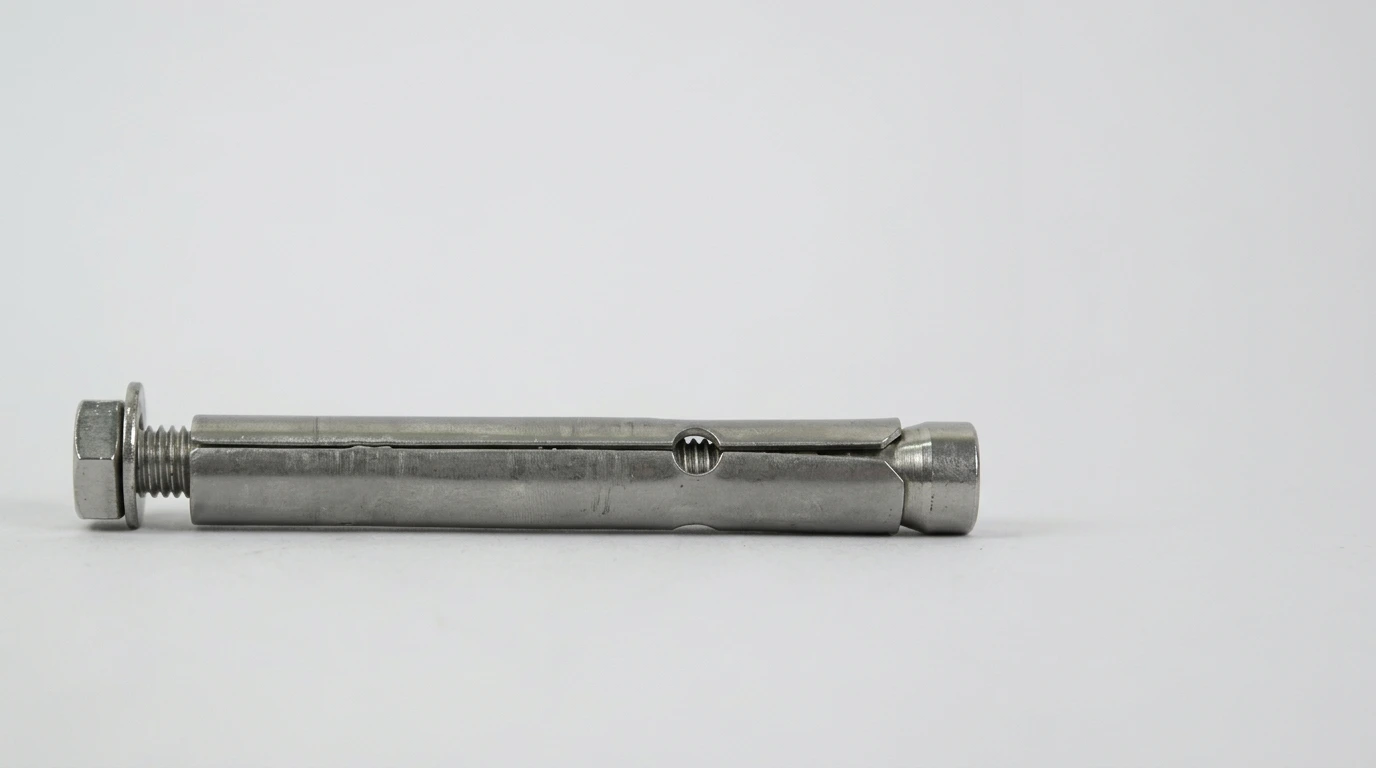
Wants Sleeve anchors? Many useful fasteners play well with concrete, brick, and block. Think like that, there is a jacket with a bolt and you tighten it, and the jacket expands and bam! It grip tight.
What's cool is they spread the load better than some fasteners. This is super useful if your base is a bit dodgy or drilling is not spot on.
You will often see them used for:
- Light to medium jobs
- Rails for hands or safety
- Holding up electrical or plumbing stuff
- Brickwork where things aren't always consistent
Sleeve anchors: If you want something simple to install that works in lots of places, go for it. They are a great pick, even when you do not have a super heavy load.
Understanding Wedge Anchors
Need to fasten something heavy to solid concrete? Wedge anchors are your answer. These tough guys use a wedge-shaped clip at the bottom. Tighten it, and this wedge expands, gripping the concrete like crazy for amazing holding power.
They are expansion anchors, so getting the hole size and depth just right is key.
You will often see wedge anchors used for:
- Joining steel structures
- Mounting big machines
- Securing columns and racking
Basically, when things need to stay put under vibration or heavy loads, pros trust wedge anchors for strength and dependability.
Sleeve Anchors vs Wedge Anchors: Comparison Table
| Feature | Sleeve Anchors | Wedge Anchors |
|---|---|---|
| Base material | Concrete, brick, block | Solid concrete only |
| Load capacity | Medium | High |
| Installation tolerance | More forgiving | Requires precision |
| Removability | Easier to remove | Typically permanent |
| Best use | General fixings | Structural and heavy loads |
This comparison highlights why no single Expansion Anchor solution fits every situation. The right choice always depends on real application demands.
How Professionals Choose Between the Two Types of Anchors
People who make and sell anchors, and those who install them, know that picking the right one is not just bookish smarts. At AFT Fixing, we create and suggest products based on actual job sites, not just lab tests.
Pros usually think about:
- How good and thick is the concrete?
- How much weight and shaking does it need to handle?
- If you might need to tweak or take it out later?
- What weather it will face?
Getting the right Bolt Sleeve or Wedge Anchor for these things makes it work better and last longer.
Common Installation Problems That You Should Avoid
Even the best anchors can fail if you mess up the installation. Common mistakes?
- Drilling holes that are the wrong size.
- Not sinking the anchor deep enough.
- Using the wrong bolts, like Wedge Anchor Bolts, is especially in cracked concrete.
- Cranking the bolt too tight and messing up the anchor.
Pro will tell you that getting the right drilling, cleaning, and tightening right is just as important as picking a good anchor.
Why Anchor's Quality Matters
In the real world, not all anchors are made equal. What separates a great anchor from a bad one often depends on the material used, its design, and its expansion when used.
Brands like AFT Fixing really care about making tough, long-lasting stuff for construction. This means you can trust their products to work the way they should on the job. And every contractor knows that you can not risk things failing or getting held up during inspection.
Final Thoughts: Making Confident Fixing Choices
Picking the right anchor, whether it is Sleeve Anchors, Sleeve Anchor Bolts, or Wedge Anchor Bolts type means knowing your stuff, not just taking a shot in the dark. Get the right anchor for the material and load, and your installation will stay strong and safe for many years.
If you are a pro looking for concrete fixing, go with brands that get what it is like on the ground. AFT Fixing is good at this, giving solid products and advice related to your specific job, not some generic solution.
The correct anchor is not just a part; it is what keeps everything secure.
FAQs: Anchor Selection Explained
1. What are sleeve anchors used for?
Sleeve Anchors are used for light to medium-duty fixings in concrete, brick, and block, where flexibility and ease of installation are important.
What type of anchor is strongest?
Wedge anchor bolts are generally the strongest mechanical anchors for solid concrete due to their high expansion force and load capacity.
What is the difference between a wedge anchor and a set anchor?
A wedge anchor expands at the base when tightened, while a set anchor expands internally using a setting tool. Both function as Expansion Anchors, but installation methods differ.
Which is better, sleeve or wedge anchors?
Neither is universally better. Sleeve Anchors suit mixed or weaker base materials, while wedge anchors are ideal for heavy loads in solid concrete.
Are sleeve anchors good for bricks?
Yes. Sleeve anchors are commonly used in brick and block because the expanding Bolt Sleeve distributes load more evenly than wedge-style anchors.