




Making the Right Choice Between Mechanical Anchors and Sleeve Anchors: What Professionals Recommend
Ultimately, the principle of a building project lies in how well everything is connected together; that is where Mechanical Anchors and sleeve anchors come in. Both kinds of fasteners represent a proven form of fastening, and engineers, builders and installers use an assortment of projects worldwide on a daily basis. But what are you expected to know when to have one fastener in place of the other? To simplify the decision we will explain the differences, types, and advantages of anchor fastening for your project.
Understanding what Mechanical Anchors are Designed for
A mechanical anchor portion of the fastener is designed to attach or hold materials securely to concrete, brick, or stone surfaces. These Anchors are either expanding or gripping, which increases stability, when embedded into the base material.
Mechanical anchors are suitable for heavy and light duty applications, typically found in bridges, machinery, handrails, and building structures. Their high holding strength makes them one of the most practical options for permanent attachments.
The main advantage of mechanical anchors is that they do not rely on any adhesive — they lock in place mechanically by expanding. Therefore, allowing for fast installations, quick load-bearing, and strong durability.
Exploring Common Mechanical Anchor Bolt Types
It is essential, when choosing an anchor, to understand the mechanical anchor bolt types on the market. Here are some common examples of anchor bolts that professionals use:
- Wedge Anchors: These work well in solid concrete. Wedge Anchors will expand against the walls of the hole when they are tightened.
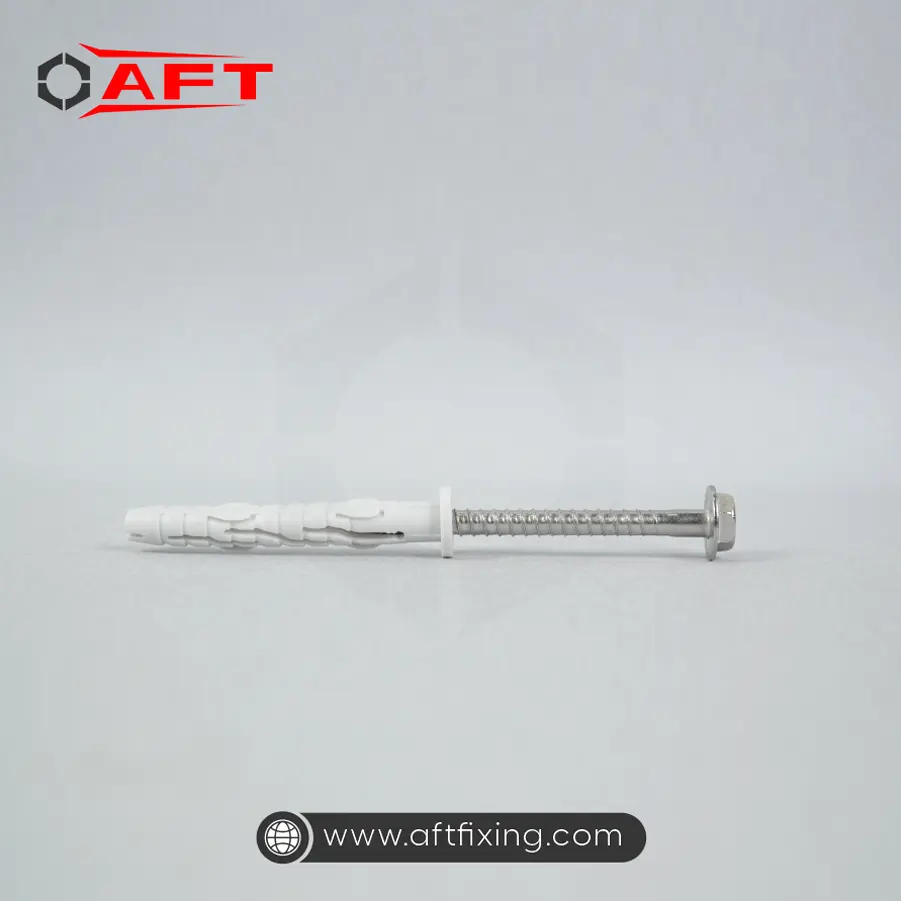
- Sleeve Anchors: Used in concrete, or brick/block, sleeve anchors create effective holding power.
- Drop-In Anchors: Drop-in anchors are used for overhead or ceilings when an expansion anchor works well with a retaining nut or threaded rod/bolt.
- Concrete Screws: Concrete screws provide a quick and easy means of creating a temporary or removable connection. It is recommended to use an appropriate numbered anchor drill bit or the screw will not work as intended.
There are various types of mechanical anchor bolts which have various features for different types of materials, and loads. Professionals let you know which type of anchor will work, based on load requirements, surface type, and how deep you might need to install it.
Understanding Mechanical Anchor Bolt Sizes and Applications
It is also important to take into consideration proper size as it pertains to safety and performance. They also come in various bolt diameters and lengths, such as M6, M8, M10, M12, and M16 as they offer capacities to different loads.
For instance:
- Smaller bolts like M6 or M8 can be used when dealing with light fittings of smaller weights.Smaller bolts, e.g. M12 or M16, are utilized in heavier applications, e.g. structural or heavy duty.
- To ensure that the project is successful, you always need to verify the load chart of the manufacturer that you would make sure that you would choose the correct sizes of your mechanical Anchor Bolt.
Understanding What Sleeve Anchors are Used For
A sleeve anchor is also another popular type of expansion fastener. The sleeve anchor is a threaded bolt inside of a sleeve that expands when tightened. This creates a strong pressure inside of the drilled hole that holds the object in position.
Sleeve anchors are versatile as they can be used with concrete, brick, and block walls. They are effective for fixing rails, signs, support brackets, or light structural materials. Builders appreciate them, as they are easy to use, don't require special tools, and also provide exceptional grip.
Exploring Common Sleeve Anchor Bolt Types
There are several sleeve anchor bolt types used across industries. The most commonly used are:
- Hex Nut Sleeve Anchors: These are applied on heavy fixtures and industrial installation.
- Countersunk Sleeve Anchors: Perfect where there is a flat surface such as signage or frame.
- Round Head Sleeve Anchors: Ideal when used in light applications and decorative fixings.
All types of Sleeve Anchor bolts have different styles of heads and it is therefore easier to state which type of anchor should be used in each instance of a job. Sleeve anchor fasteners are among the most reliable options of construction work due to the versatility and simplicity with which they can be designed.
The Sleeve Anchor Bolt Sizes and Load Capacity
Sleeve anchor bolts resemble mechanical anchor bolts and their sizes will be based on the work demand. M6, M8, M10, and M12 are the most popular sizes.
- In smaller sleeve anchors, lighter loads such as wall fixtures or signs are attached.
- Larger sizes handle stronger loads like heavy railings or support brackets.
In choosing the sizes of sleeve anchor bolts, the professionals also do not disregard the material thickness and the needed load strength. Fitting the proper size will give better hold and secure installation.
The Major Spiderings between Mechanical and Sleeve Anchors.
Despite being both expansion fasteners, mechanical and sleeve anchors have certain differences:
- Holding Power: Mechanical anchors are stronger holding power that can be used structurally or heavy duty whereas sleeve anchors are used in a medium duty.
- Material Compatibility: Mechanical anchors can be used in solid concrete whereas sleeve anchors suit brick, block, and concrete.
- Straight forwardness of Installing: Sleeve anchors are easier to install and tailor, and are also popular in general-purpose tasks.
The selection made by the professionals depends on the application, load requirement and the type of base material used.
The reason Professionals recommend the Right Anchor Choice.
With experienced builders and engineers, a stress is placed on the correct mechanical anchor fasteners or sleeve anchors to use in each work. The correct decision is one that makes it strong, safe and durable. Mechanical anchors such as wedge and Expansion Anchors are to be used on heavy loads and solid surfaces.
Sleeve anchors are more flexible, and user friendly in case of a general application or light weight.
Never leave before the recommended anchor bolts size and types. Properly selected anchors will stop failures, improve durability, and ensure that all the structures are safe.
Some Last Words on Mechanical and Sleeve Anchors.
This applies in attaching railings, machinery, wall fittings, etc. using the right anchor is the difference between success and failure. Sleeve anchors and Mechanical Anchors are all necessary to ensure a good fix.
To summarize:
Mechanical anchors are suitable in heavy duty, structural and permanence.
Sleeve anchors are suitable in fixing medium loads and fast installations.
Knowledge of the various types of bolts and the variety of types will assist you in choosing the correct fastener to suit your purpose. The next time you have a project on your list, keep in mind - you should have a good grounding anchor.