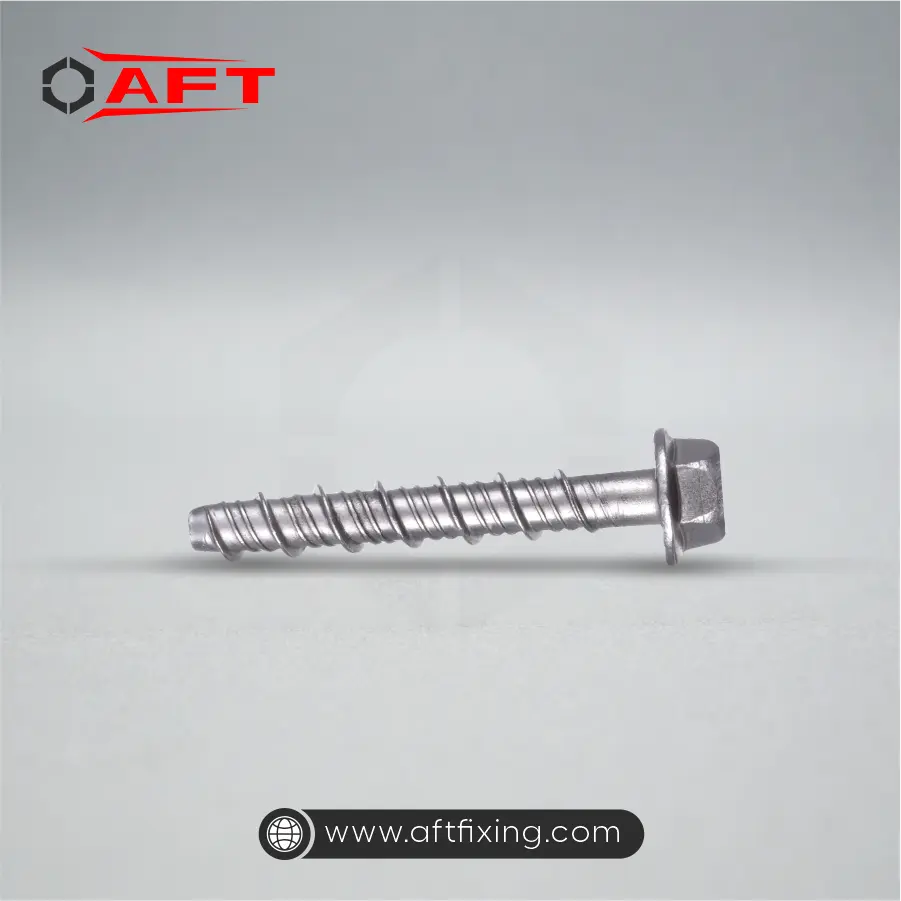





How to Choose the Right Anchor Fastener for Different Construction Needs — A Guide for Builders & DIYers
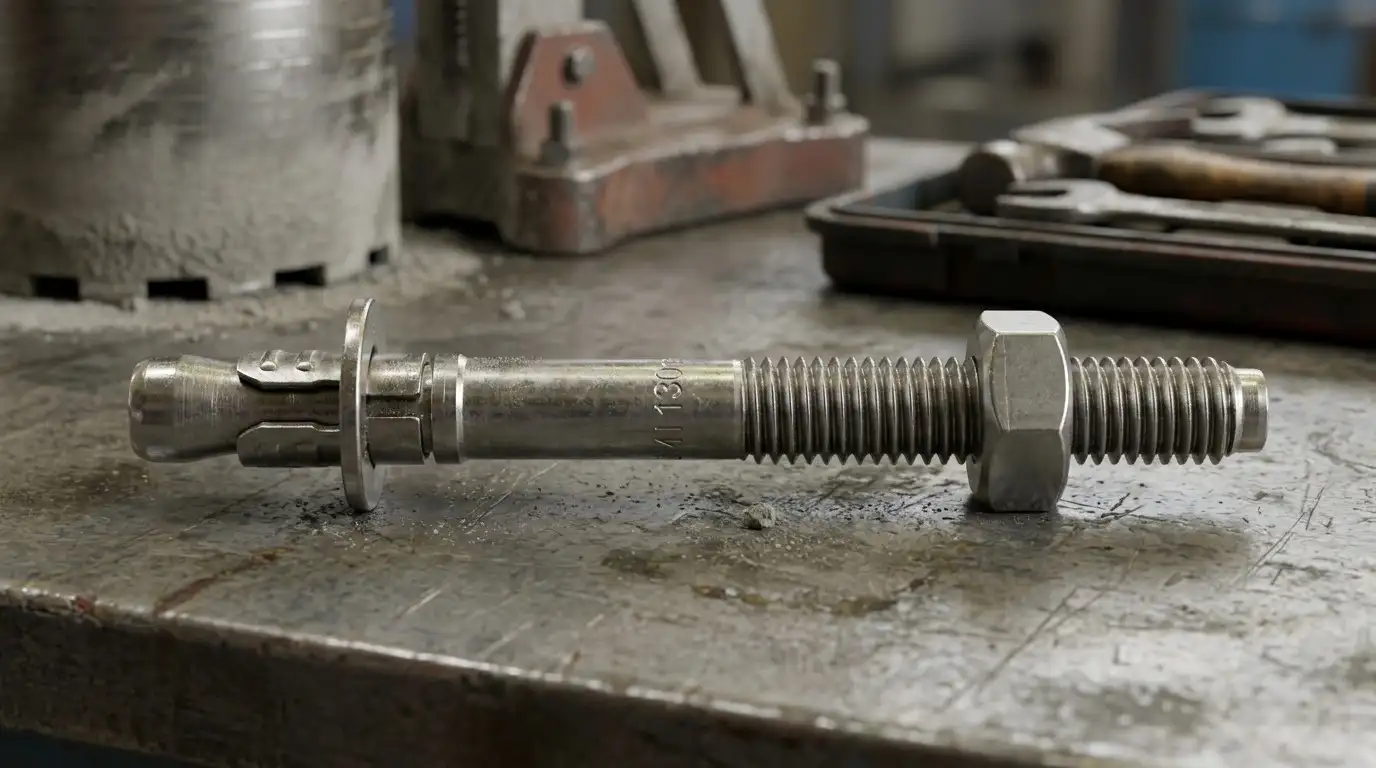
Selecting correct anchor fasteners is extremely important when doing tasks like in the construction of a building. Also known as Anchor Bolts, they are also used by DIYers for mounting things at home. In this blog, we will talk about how to choose the right anchor fastener that works in all situations. You might be a contractor requiring bulk fasteners supply or a DIYer doing some home project, choosing the correct product is important from the point of quality and safety.
Why Do Anchor Fasteners Matter?
Anchor fasteners are the fittings holding fixtures, rails, machinery, frames, signage or structural components to an underlying material, e.g. concrete, masonry or block. In their absence, load carrying elements such as guardrails, heavy equipment or cladding will just pull out - threatening the structural failure or collapse.
The manufacturers of trusted anchor fasteners invest in high quality raw material, aggressive testing, and predictable sizing, which means that you are assured of reliable load bearing capacity, resistance to corrosion, and predictable performance. Installation with good quality fasteners saves time, saves maintenance and enhances safety in the long run.
Types of Anchor Fasteners: What Works Where?
Here are the most common anchor types — plus where they shine or where they don’t:
| Anchor Fastener Type | Base Data Material Use Case | Strength / Use Load | Key Advantages | When to Avoid / Limitations |
|---|---|---|---|---|
| Wedge Anchors (mechanical anchors) | Solid concrete | High to very high load | Strong pull-out strength; ideal for heavy-duty installations; tightens under load; versatile in multiple materials; cost-effective. |
Not for hollow walls or blocks; requires precise drilling depth/diameter. |
| Sleeve Anchor | Concrete, brick, masonry | Medium to high load | Versatile; good for installing handrails, window frames, railings; spreads load across surface. |
Less load-bearing than wedge anchors; not ideal for very heavy structural loads. |
| Drop-in Anchor (mechanical) | Solid concrete | Medium to heavy load | Installed flush with surface; good for hanging rods and bolt fixtures. |
Requires special setting tool; only for solid concrete. |
| Nylon-Frame / Light-Duty Anchor | Light masonry, drywall, soft block | Light to medium load | Good for lighter tasks – fixtures, small shelves, lightweight items. |
Not for heavy loads or structural use. |
Mechanical vs Others
The major difference between the mechanical anchor fasteners and the others is that mechanical ones rely on physical expansion (or friction) inside the drilled hole. It helps in gripping the base material tightly once installed.
The other types- “adhesive type anchors” use chemicals to There are also “chemical” or adhesive-type anchors: these use resin or chemicals. This in turn creates a waterproof seal.
Mechanical anchors are preferred in a wide range of applications because of their load bearing capacity. They are quick to be installed and offer a cost-efficient solution.
Understanding Bolt Sizes: Why Anchor Fasteners Bolt Sizes Matter
Choosing the correct bolt size is just as important as selecting the right type of anchor. Bolt size affects strength, load-bearing capacity, and compatibility with fixtures. Too small — and you risk bolt failure or pull-out. Too large — and you may crack the base material, or fail to drill the right hole. Additionally, bolt size must match the hole drilled in the concrete or masonry — both in diameter and depth (embedment). Over-tightening a too-large bolt in a hole that’s too shallow or narrow can compromise, hold or damage the base.
Remember: anchor fasteners bolt sizes should be chosen based on a combination of load weight, base material, and structural needs — not just convenience or what’s at hand.
Applications of Anchor Fasteners
The following is a list of some real-world examples and types of anchor fasteners which are recommended:
-
Installation of heavy machinery or structure brackets on concrete - Wedge Anchors or Drop-In Anchors.
-
Installation of door/window frames, railings, handrails on brick or block walls - Sleeve Anchors.
-
Installation of medium weight objects (signage, shelves, fixtures) on masonry or hollow-block walls - Sleeve Anchors (smaller bolt size) or Nylon-Frame Anchors.
-
Where a flush mount is required or you intend to add bolts in the future - Drop-In Anchors.
-
Light-duty mounts (little shelfs, light fittings, plastic fittings, etc.) - Nylon or Light-Duty Anchors.
Factors to Consider For Selecting Anchor Fastener Manufacturers
When you would like to have a reliable performance, you cannot afford to just pick the cheap fastener that you see. Look for manufacturers that:
-
Provide a variety of anchors types (wedge, sleeve, drop-in, light-duty) to be able to match a particular project.
-
Offer durable material (galvanized or stainless steel), particularly in outdoor, wet or industrial conditions.
-
Provide definite bolt size options (diameter and length), in order to match anchor fasteners bolt sizes to load sizes and base sizes.
-
Meet industry requirements of safety and quality, and load-bearing capacity, corrosion and reliability testing are undertaken.
Factors to Keep in mind before Installation of Fasteners
-
Always drill a hole beforehand - always drill it to the specification of the anchor. Excessively large holes are weakened and excessively small holes cannot be installed.
-
Wipe out the hole properly - dust and rubbish will hamper swelling or sticking.
-
Type of match anchor to base material - do not use a drop-in anchor intended to be used on solid concrete on hollow-block walls.
-
Choose bolt size according to load - the heavier the load the larger the diameter of the embedment anchor needed.
In the outdoor or corrosive conditions, use stainless or treated anchors, do not use plain steel as they do not last long.
The Importance of This Guide: To Builders and DIYers.
Whether you are a professional taking care of a construction or manufacturing site or a DIY user, understanding the importance of selecting the right types makes all the difference. Many great buildings can collapse in the absence of using correct fasteners. You can be sure of stability, durability and peace of mind since you can choose which Anchor Fastener Manufacturers to trust and the characteristics of the anchors to be used to match your needs as per your project.
An effective anchor is a silent one - one working quietly behind the scenes to assure that walls, beams, railings, equipment and fixtures are all in place.
And the next time you are going to buy a pack of anchors, you can keep in mind: the size and the kind does not always fit. Find the fastener that matches your project and you are going to make something that will stand the test of time. AFT takes care of all your fastener needs. For more info, Connect with us today.