




How to Choose the Right Sleeve Anchor for Your Project
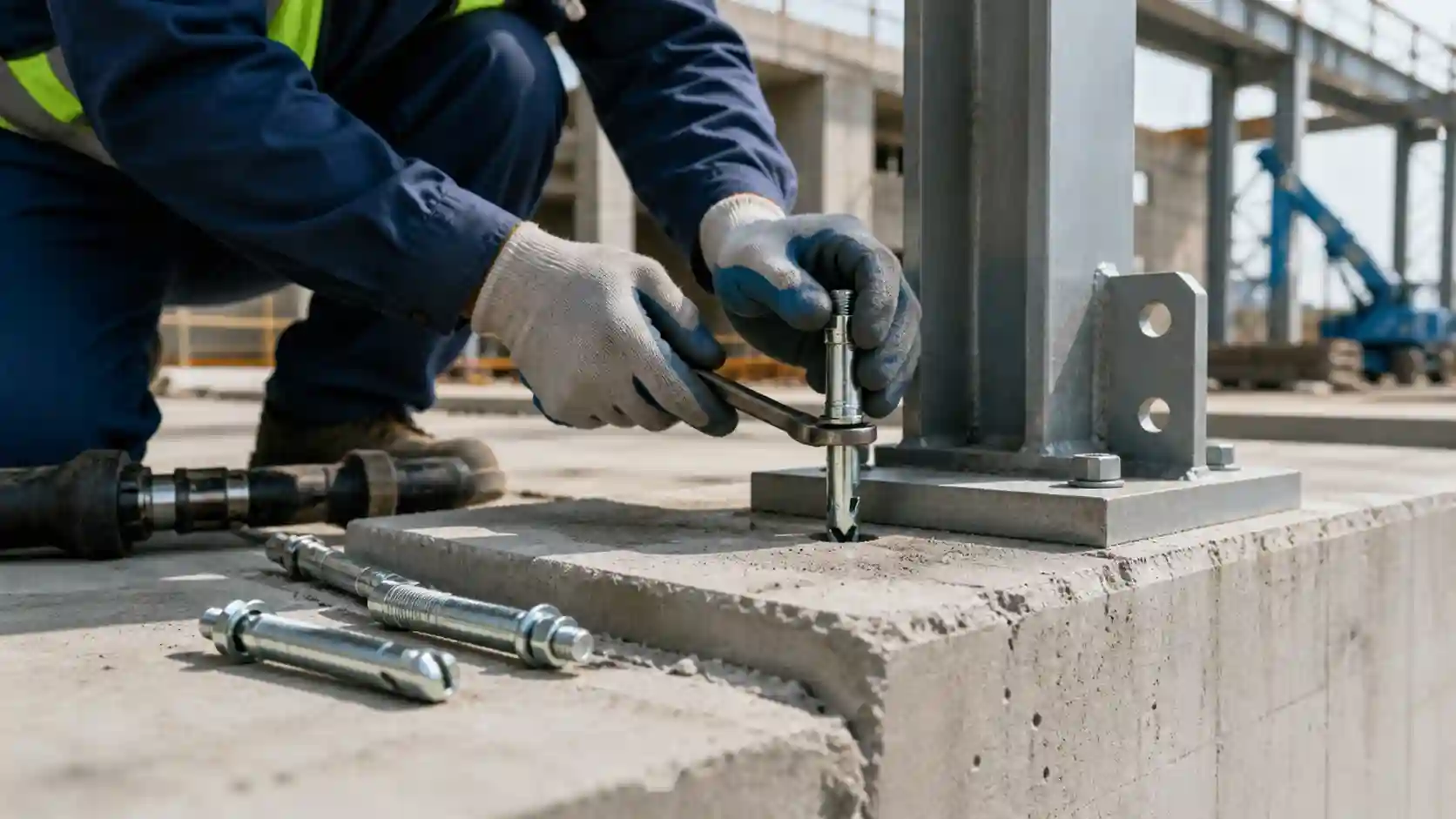
A no-nonsense guide to picking the right sleeve anchor for concrete, brick and masonry fixing jobs.
Pick the wrong sleeve anchor and you won't always know it right away. The fixture might look secure on day one — but load, vibration and time have a way of finding weak spots. That's the real risk. Sleeve anchors work well across concrete, brick and masonry, sure, but not every anchor fits every substrate. So how do you choose? Not by size. Not by how it looks on the shelf. Base it on what the job actually needs.
What Is a Sleeve Anchor and How Does It Work?
So what exactly is a sleeve anchor? At its core, it's a mechanical expansion fastener — a reliable way to lock into concrete, brick or block. Drill a hole at the right diameter, drop the sleeve anchor bolt in, and it should sit flush against the base material. Tighten the nut, and the bolt pulls an internal cone up through the sleeve, pushing it outward against the hole walls. This creates mechanical engagement between the Anchor Sleeve and the substrate — the bolt carries the load, the nut drives expansion, and the sleeve distributes grip evenly around the hole.
Trivia: One sleeve anchor design, three substrates — concrete, brick and block. That's what makes it such a versatile masonry fastener.
Where Are Sleeve Anchors Commonly Used?
The use of sleeve anchor bolts can be seen in various construction and industrial applications, provided that a solid concrete or masonry base exists. They provide an effective means of providing a mechanical fix in many different circumstances. Typical sleeve anchor applications include:
- Railings and handrails
- Structural frames and brackets
- Signage and mounting panels
- Electrical fixtures and cable tray supports
- Machinery supports and equipment bases
- Building supports and general fixtures
Concrete sleeve anchors suit solid concrete bases, and Sleeve anchors for masonry work in dense, stable brick and block. They are not intended for every application — hollow or weak substrates may need a different fastening approach, subject to manufacturer specifications.
Key Factors to Consider When Choosing a Sleeve Anchor
How to choose sleeve anchor correctly comes down to a few linked factors: base material, load, diameter and length, embedment, environment and installation conditions. None of these should be assessed in isolation, since each one affects how the anchor performs once installed. The table below summarises what to check and why it matters.
| Selection Factor | What to Check | Why It Matters |
|---|---|---|
| Base Material | Concrete, brick, block or suitable masonry | Determines substrate compatibility |
| Load Requirement | Fixture weight and applied loads | Helps determine suitable anchor performance |
| Anchor Dimensions | Diameter, length and fixture thickness | Supports proper fit and embedment |
| Environment | Moisture and corrosion exposure | Guides material selection |
| Installation | Hole preparation and tightening | Supports dependable expansion and fixing |
1. Check the Base Material
The substrate is the starting point for any Sleeve Anchor for concrete or masonry sleeve anchor decision. Concrete, solid brick and block each behave differently under expansion loading. Substrate strength and condition affect holding performance — cracked or deteriorated masonry will not engage the same way as sound material, regardless of anchor quality.
2. Determine the Required Load Capacity
Sleeve anchor load capacity depends on more than the fixture's static weight — tensile, shear and combined loading all matter, along with substrate strength and embedment. A Heavy duty sleeve anchor suited to one application may be unnecessary, or insufficient, in another. Rather than choosing by diameter alone, check manufacturer technical data against actual project loading.
Did You Know? : An anchor's expansion sleeve spreads clamping force around the whole circumference of the hole, not at a single contact point.
3. Select the Correct Diameter and Length
The sleeve anchor size is dependent upon the following factors, namely:
Diameter, Length, Thickness of Fixtures, Embedment Depth, and Drilled Hole. The diameter should be equal to that of the hole for expansion while the length should be inclusive of both. Getting Sleeve Anchor bolt sizes wrong can under-engage the sleeve. Verify against manufacturer technical data first.
4. Consider Material and Corrosion Resistance
Environmental exposure plays a direct role in material selection. Indoor, dry applications place fewer demands on an anchor than outdoor exposure or moisture. Where weather exposure is a factor, a stainless steel sleeve anchor is often considered, though stainless steel is not automatically suitable for every environment. Review corrosion resistant sleeve anchors against actual site conditions.
5. Consider Installation Conditions
Correct Sleeve anchor installation depends on process as much as product. Hole diameter and depth drilling, cleaning of debris, and proper embedment impact expansion properties. The edge distance and spacing determine how resistant the substrate will be to the expansion forces. Tightening should be according to manufacturer-recommended torque in case of concrete sleeve anchor applications.
Sleeve Anchor vs Wedge Anchor: Which Should You Choose?
Comparisons of Sleeve Anchor vs Wedge Anchor are frequent, but there is no better type in general. A wedge anchor relies on a single expansion clip engaging as the bolt is tightened, commonly used in solid, high-strength concrete. A sleeve anchor works differently — a full-length expanding sleeve, generally more forgiving across concrete, brick and block. Both count as mechanical anchors. Pick based on what the project needs — substrate, load, manufacturer specs — not habit.
Common Mistakes to Avoid When Selecting Sleeve Anchors
Even experienced installers run into avoidable problems during sleeve anchor selection and sleeve anchor installation. Most issues trace back to a small set of recurring errors rather than a fault in the anchor itself. Watch out for:
- Choosing the wrong diameter
- Insufficient embedment depth
- Selecting an unsuitable or weak substrate
- Ignoring environmental exposure
- Incorrect drilling — wrong hole size or depth
- Poor hole cleaning, leaving debris behind
- Over-tightening the expansion mechanism
- Under-tightening, causing incomplete expansion
- Ignoring manufacturer technical data
- Selecting an anchor by appearance or price alone
Why Choose Quality Sleeve Anchors for Your Project?
Quality sleeve anchors come down to consistent dimensions, sound material quality and precise manufacturing — factors that influence reliable expansion, corrosion resistance and installation consistency on site. Fixing for AFT (Anchorite Fixing Technology) provides sleeve anchors and wedge anchors in addition to other fixing solutions used in construction and industries, with special attention on quality engineering and technical assistance. Being a sleeve anchor manufacturer and among the list of Sleeve anchor manufacturers in India, AFT sleeve anchors deserve to be looked into.
FAQs
What base materials can sleeve anchors be used in?
Sleeve anchors are designed for solid concrete, brick and block substrates. They are not intended for hollow or weak materials, since proper expansion depends on a dense base. Before installation, always confirm substrate condition and compatibility for a sleeve anchor for concrete or masonry sleeve anchors, based on manufacturer technical data and project requirements.
How do I choose the correct sleeve anchor size?
Correct sleeve anchor size depends on several factors working together — fixture thickness, diameter, length and required embedment depth. A poor fit will fail to provide a good grip, and a large diameter will reduce the strength of the bore. Determine these measurements based on the loading conditions and type of material to be used.
What load capacity can a sleeve anchor handle?
Sleeve anchor load capacity depends on more than the fixture's weight. Tensile loads, shear loads and combined loading all play a role, along with substrate strength and embedment. A heavy duty sleeve anchor suited to one application may not suit another. Always check manufacturer technical data rather than choosing by diameter alone.
How should a sleeve anchor be installed correctly?
Proper anchoring of sleeves begins with drilling the appropriate hole with the correct size and depth followed by cleaning the hole from dust and debris and insertion of the anchor. Embedding and positioning of the anchor is equally important.Tighten the nut to manufacturer-recommended torque where applicable — both over- and under-tightening affect how the anchor performs.
Can stainless steel sleeve anchors be used outdoors?
This will depend upon the level of environmental exposure and corrosion, as well as the type of stainless steel that is being used. An interior application or dry exterior application may present less of a problem, but an application where there is higher moisture content requires more consideration. Stainless steel is not necessarily the correct choice for all environments.
What is the difference between a sleeve anchor and a wedge anchor?
Sleeve anchor vs wedge anchor. The main difference lies within the expansion process. A sleeve anchor expands along its full length, offering a more forgiving fit across concrete, brick and block. A wedge anchor uses a single expansion clip and suits solid, high-strength concrete applications.
Conclusion: Select the Right Anchor for Reliable Fixing
Selecting the right sleeve anchor comes down to matching base material, load, dimensions, embedment, material and corrosion resistance to the actual demands of the project, then following correct installation conditions on site. Technical data provided by the manufacturer shall be the basis of all decisions regarding diameter and torque as per the requirement of the particular project.
| For fastening solutions for the construction and industrial purposes, Consider the AFT Fixing sleeve anchors. |