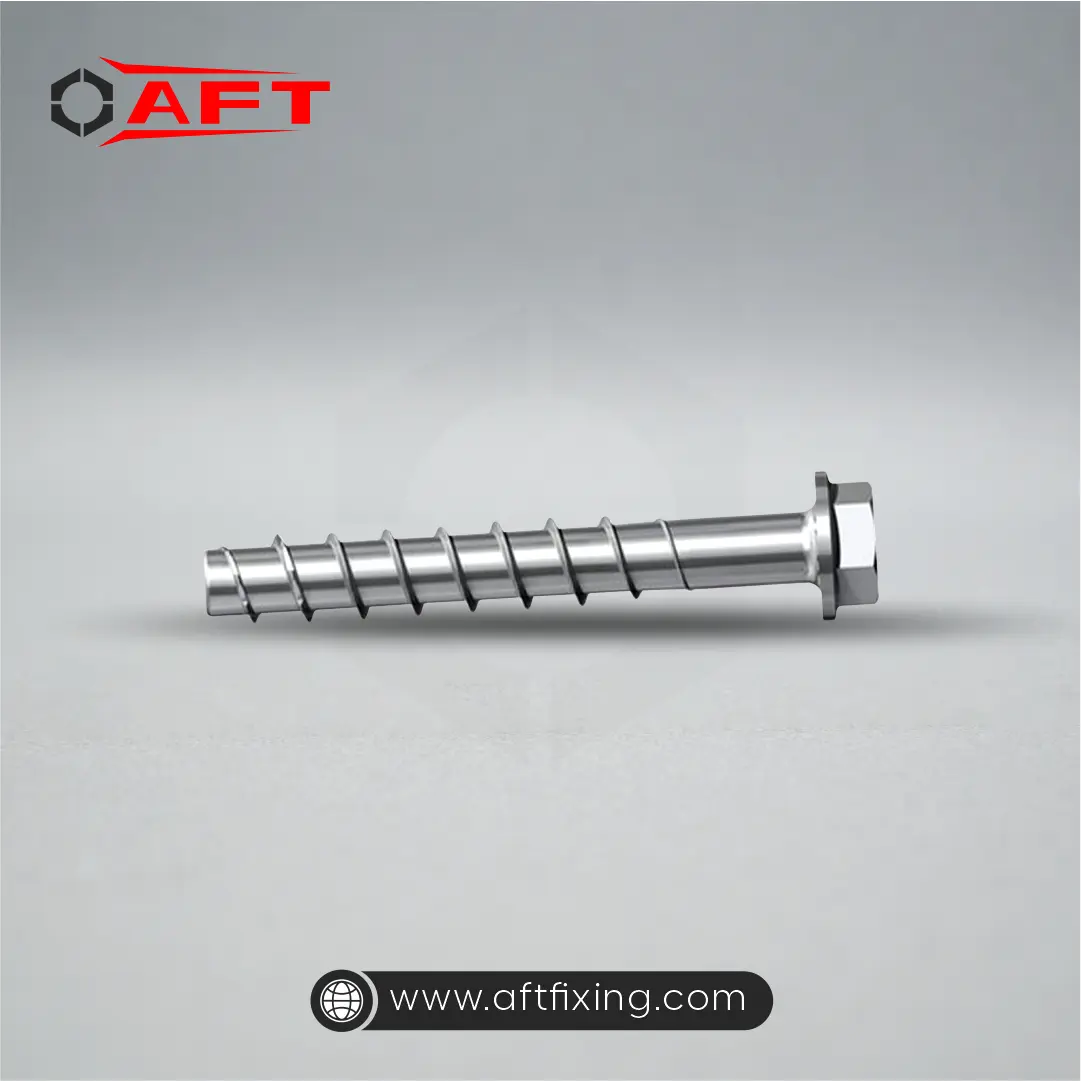





Mechanical vs. Chemical Structural Anchors: The 2026 Guide to Choosing the Right System
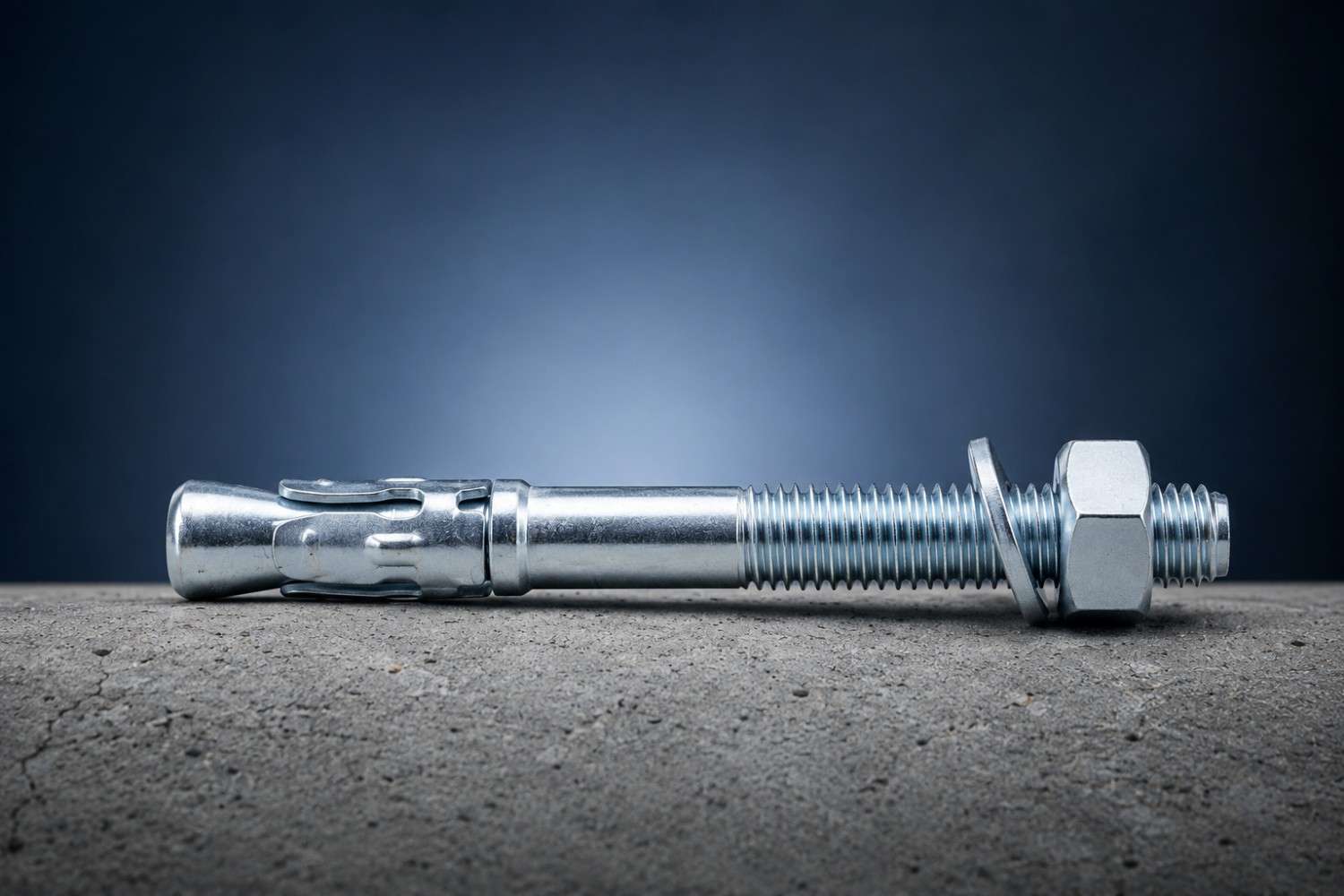
Two anchoring systems, one decision that decides how long your fixing actually lasts.
Concrete rarely gets much credit. It sits under floors, behind walls, inside foundations, doing the one job that matters most without anyone noticing. Nobody thinks about a slab until something goes wrong with it. A slab or column is only ever as strong as whatever gets fixed into it — get the anchor wrong, and steel above ground won't save that connection later on. This is where the real decision starts. Mechanical or chemical. Structural anchor bolts or chemical anchor bolts. For teams working through 2026 project specs, that choice shouldn't come down to habit, or whatever's sitting in the store that week. Load, substrate, and site conditions decide whether a fixing lasts twenty years or fails in two.
What Are Structural Anchors?
So what actually counts as a structural anchor? Put simply, it's a fastening device built to carry load from a fixture, say a column base, a machine frame, a railing bracket, into the concrete or masonry underneath it. Not every fastener qualifies for that job. A genuine structural anchor has to be tested, rated, and traceable, which is largely why sourcing from established structural anchors manufacturers matters at the planning stage. Broadly speaking, these systems split into two camps. One grips through friction or interlock — that's mechanical anchors. The other bonds through resin, which is how chemical anchors work.
Why Does Anchor Selection Matter?
Get the anchor wrong and the fallout doesn't always show up on day one. A hairline crack might not widen for months. A bolt might sit fine until vibration nobody accounted for works it loose. Ask any experienced structural anchors suppliers and the answer tends to be similar — substrate condition and load direction usually matter more than whatever's printed on a spec sheet.
- It sets the safe working load the connection can actually handle.
- Seismic and wind loading behave differently depending on which anchor type is used
- And when an anchor fails, it rarely fails alone — something else usually goes down with it.
Mechanical Anchors: How They Work
Mechanical anchors work in a fairly straightforward way. Drill the hole, insert the anchor, tighten it — a sleeve or wedge pushes outward and bites into the sides of the hole. No curing, no waiting around. A handful of types show up again and again on site.
- Wedge anchors, best kept for solid, uncracked concrete
- Sleeve anchors — useful once masonry or block enters the picture
- Drop-in anchors, for a flush, internally threaded fixing
- Undercut anchors when conditions turn to cracked concrete
Source them through a dependable structural anchors dealer and installation stays fast and easy to check once it's in.
Chemical Anchors: How They Work
Chemical anchors take a different route entirely. Resin instead of friction. Epoxy, polyester, or vinylester gets injected into the hole with a threaded rod or a length of rebar, and once it cures, the bond runs the full length of the hole rather than gripping at one point — stress spreads out instead of piling up. So where do chemical anchors tend to pull ahead?
- Heavy steel-to-concrete connections
- Rebar splicing and post-installed reinforcement work
- Locations near an edge, or where the concrete is already cracked
- Any job that needs even load distribution and not just raw pull-out numbers
Resin quality isn't something worth guessing at. Sourcing chemical anchor bolts from a supplier that tests batch consistency tends to save trouble down the line.
|
TRIVIA The word anchor traces back to the Greek ankyra, a hook once used to keep ships from drifting off. Different industry, same basic idea — something built to refuse movement. |
Features Worth Checking Before You Buy
Two batches can carry near-identical spec sheets and still behave differently on site. That's the reality when buying from structural anchors wholesalers — paper doesn't always match practice. A few things worth confirming before an order goes out.
- Material grade, whether that's carbon steel, stainless, or zinc-plated
- Certified load ratings — not just numbers pulled from a brochure
- IS and DIN compliance, which most serious buyers ask for anyway
Product Overview
Anchor fasteners today stretch across a wide range. Light fixings handle interior partitions on one end; structural anchor bolts rated for bridges, metro stations, and heavy industrial equipment sit on the other. Reputable manufacturers run batch tests for tensile strength and pull-out resistance before anything ships out — paperwork that matters a great deal once a project reaches inspection.
Benefits of Getting This Choice Right
Here are the benefits of getting the right product:
- Holds up under constant and shifting loads for years, not just at installation
- Fewer repeat maintenance visits over the building's lifespan, which adds up
- Better behaviour where vibration or seismic movement is a genuine concern
- Meets the codes engineers actually sign off against
|
FACT Chemical anchors usually outperform mechanical ones in cracked concrete, mostly because the resin fills micro-voids that a wedge simply can't reach. |
Where These Anchors Actually Get Used
Applications and common usage of anchors:
- Steel-to-concrete joints in commercial buildings
- Machine bases and equipment foundations, common across industrial plants
- Railings, facades, stone cladding
- Solar mounting structures, plus metro and railway safety systems
Mechanical vs. Chemical Anchors: Side by Side
Understand the difference between mechanical and chemical anchors with this direct comparison table:
| Aspect | Mechanical Anchors | Chemical Anchors |
|---|---|---|
| Installation Speed | Fast — load-ready almost immediately | Needs resin curing time first |
| Works Best In | Solid, uncracked concrete | Cracked concrete, edge zones, rebar work |
| How Load Spreads | Concentrated at the expansion point | Along the entire bonded length |
| Checking the Installation | Simple visual inspection | Usually needs proof testing |
| Vibration Behaviour | Decent, can loosen over years | Holds up well, rarely loosens |
| Where It's Common | Everyday fixing, quick turnaround jobs | Heavy-load, safety-critical connections |
A Few Notes Before You Buy
Here are the few notes to take into account before you buy:
- Match anchor type to substrate condition first; everything else comes second
- Ask for real test certificates before a bulk order — not just a product brochure
- Check embedment depth against the actual load, not the anchor's total length
- Good structural anchors dealers push back on a wrong choice instead of just selling whatever's in stock
AFT
‘AFT (Anchorite Fixing Technology) is the best industrial fastening solution. We are the most trusted and reliable partner for many businesses. Since 2017 we have been providing solutions to various sectors. Our expertise is in providing the companies with high-performance and customized construction fastening solutions. We offer anchor fasteners and anchor products that are used in modern industries. AFT focuses on delivering reliable and durable fastening systems that ensure safety and performance. We provide sustainable solutions that meet the modern industrial demands. AFT combines advanced technology with industry expertise to provide efficient solutions. If you are ready to source high-quality fastening solutions, then you are at the right place. We also serve nuts and bolts, anchor-type products, and rods that will meet your needs perfectly.’
FAQs
1. What's the real difference between mechanical and chemical anchors?
Ans: Mechanical anchors grip a hole through expansion — a wedge or sleeve pushes outward and holds by friction. Chemical anchors bond an entire embedment length with resin instead. Mechanical systems install fast and inspect easily. Chemical systems handle cracked concrete, edge distances, and heavy structural loads with far more consistency.
2. Which type works better for cracked concrete?
Ans: Chemical anchors generally perform better here. Resin fills micro-voids and hairline cracks that a mechanical anchor's wedge or sleeve simply can't reach, so the bond stays uniform along the whole hole rather than relying on one point of contact. That's why chemical anchor bolts get specified so often near edges or joints.
3. How long does a chemical anchor take to reach full strength?
Ans: It depends on the resin and site temperature, but most chemical anchors reach near-full bonding strength within a few hours. Warmer conditions speed up curing, while cooler sites take longer. Either way, it's still much faster than older cast-in methods, and installers rarely need to pause work for a full day.
4. Do mechanical anchors work in masonry or only concrete?
Ans: Not every mechanical anchor suits masonry. Wedge anchors are built for solid, uncracked concrete, while sleeve anchors handle masonry and block substrates better. Choosing the wrong type for the material can reduce holding power significantly, which is why matching anchor type to substrate always comes before matching it to load.
5. What should I check before buying anchor fasteners in bulk?
Ans: Look past the spec sheet. Confirm certified load ratings, material grade, corrosion resistance for the site's environment, and whether the anchor suits cracked or uncracked concrete. Ask for real test certificates, not just brochures. A reliable supplier will also confirm IS and DIN compliance before an order goes out.
6. Are structural anchor bolts suitable for heavy industrial equipment?
Ans: Yes, when selected correctly. Heavy machinery and equipment bases need anchors rated for sustained vibration and dynamic loading, not just static weight. Structural anchor bolts tested for tensile strength and pull-out resistance handle this well, though the final choice still depends on substrate condition and the specific load path involved.
Conclusion
Neither system beats the other outright, and honestly, that's the whole point. Mechanical anchors install fast and inspect easily, while chemical anchors handle cracked concrete and edge conditions better than almost anything else on the market. Knowing which situation calls for which is the real skill, and that's usually where experienced structural anchors manufacturers and suppliers earn their reputation. Whether a project needs a straightforward structural anchor bolt or a resin-based system built for the best anchor for concrete under tough conditions, it's worth getting right the first time.
| Need help choosing between mechanical and chemical anchor fasteners for your next project? Get in touch with the technical team of AFT today and skip the guesswork. |