




What Is a Concrete Screw and When Should You Use It?
Picking the right fastener for concrete, brick, and block work
Ask any site supervisor what ruins a good installation, and loose fixings come up early. A cable tray that sags after six months, a bracket that wobbles under load - most of the time it traces back to the fastener, not the workmanship. That's where concrete screws come in, replacing the plugs and bolts a lot of contractors used out of habit. If you're trying to buy concrete screws India wide and aren't sure where to start, some groundwork before you order saves a lot of grief later.
What Is a Concrete Screw?
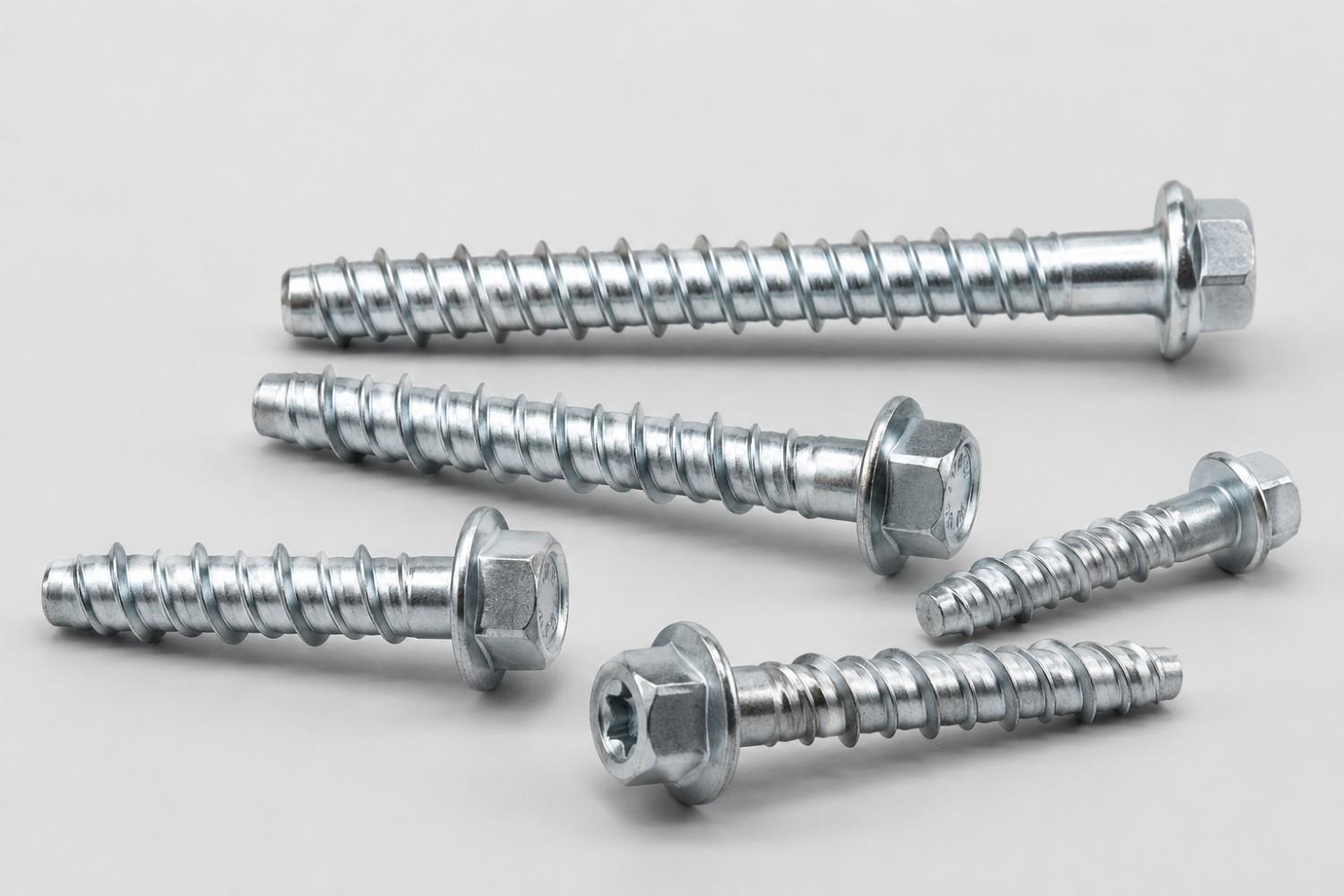
Simply put, it's a hardened steel screw that cuts its own thread into a pre-drilled hole in concrete, brick, or block. No plug, no sleeve - the thread itself grips, biting into the masonry as it's driven in.
A few things worth knowing:
- Made from case-hardened steel so they can handle high torque without snapping
- Thread pattern is cut for masonry, not wood or metal
- Works for light jobs and, in the right size, some heavier ones too
- Goes in faster than older drop-in or sleeve-style anchors
Why Does This Matter?
Get the fastener wrong and you're not just risking a callback - you're risking safety, especially where load or vibration is involved. Concrete Screws are built to spread stress across the hole rather than concentrate it at one point, cutting the chance of the substrate cracking around the fixing. On a commercial fit-out or an industrial line, that detail can be the difference between a smooth handover and a costly delay.
There's also the question of reputation. Engineers doing site inspections increasingly want documented, tested products rather than whatever came from the nearest hardware stall - part of why contractors insist on sourcing from a proper concrete anchor bolts manufacturer India network.
Types Worth Knowing About
Not every job needs the same screw. A few variants show up again and again:
- Self-tapping concrete screws - the everyday choice for brackets, conduits, and general framing
- Countersunk masonry screws - used where the head needs to sit flush
- Hex-head versions - handy when you're driving with a socket rather than a bit
- Flat-head types - for a cleaner, smoother finish where it's visible
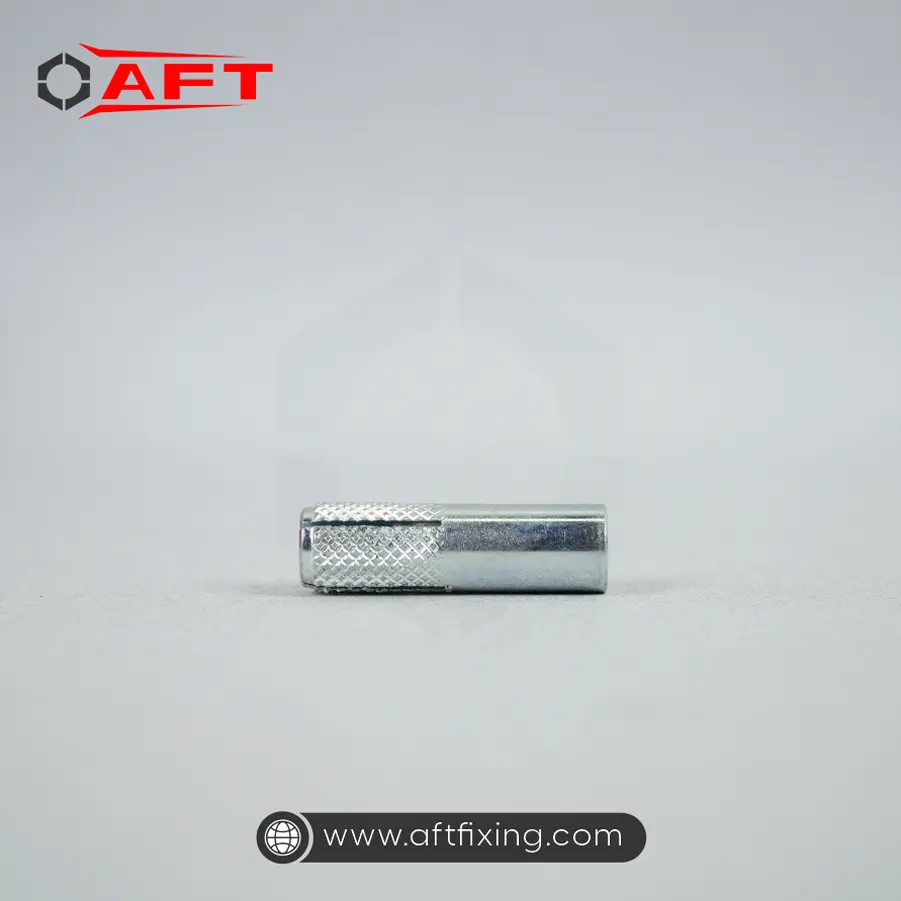
And it's not only screws. Plenty of sites lean on expansion-type fasteners for heavier work, which is why a dependable expansion bolts supplier India network matters just as much for consistent quality batch to batch.
Did You Know? A properly installed screw anchor can sometimes match the pull-out strength of a much larger bolt, purely from how much thread contacts the substrate.
Features Worth Checking Before You Buy
Don't judge a fastener by how it looks on the shelf - looks don't tell you much. A few things actually matter:
- Corrosion protection. Zinc or geomet coating if it's going outdoors or anywhere humid
- Thread pitch lining up with whatever drill bit you're actually using
- Real load-test numbers, not a vague claim printed on the box
- Rated for your substrate - solid concrete, hollow block, and brick don't behave the same way at all
One thing people get wrong more often than you'd guess: Screw Anchors Sizes have to match the drill bit exactly, not roughly. A small gap in diameter is probably the single biggest reason installations fail on site.
Product Overview
Modern concrete screws skip the separate plastic plug that older wall systems needed - the thread does the work on its own. That single change is a big part of why they've taken over from traditional fixings on so many sites. Suppliers who call themselves a serious Screw Anchors Manufacturer in Delhi usually hold tighter tolerances batch after batch, which matters once you're running several sites at once.
At scale, a dependable Screw Anchors Supplier in Delhi cuts the waiting around - which means fewer delays on a schedule that's already tight to begin with.
Benefits, In Short
- Goes in quicker than most traditional anchor systems
- Often comes out again if something needs replacing - not always, but often
- Holds up better against vibration loosening it over time
- Works fine for structural jobs and the smaller non-structural ones too
- Saves labour hours, and that adds up fast on a bigger job
Where They Get Used
The list is long, honestly. A few of the more common spots you'll see them:
- False ceilings, partitions, drywall framing
- Cable trays, conduit mounting
- HVAC ducting brackets
- Door and window frames
- Machinery base plates on the lighter industrial side
- Signage, railings, facade fittings - basically anywhere something needs to stay put
Distributors handling real volume tend to keep a steady relationship with reliable Screw Anchors Wholesalers & Distributors in Delhi - usually what keeps stock moving once the season gets busy.
The self-tapping thread idea started with metalworking, later adapted for masonry once the same cutting principle proved to work in concrete.
Comparison: Concrete Fastening Methods at a Glance
| Parameter | Concrete Screws | Expansion Bolts | Sleeve/Wedge Anchors |
|---|---|---|---|
| Installation Method | Drives directly into a pre-drilled hole | Expands through a mechanical wedge | Expands via sleeve compression |
| Removability | Usually removable and reusable | Mostly permanent once set | Mostly permanent once set |
| Load Suitability | Light to medium, some heavy-duty | Medium to heavy-duty | Heavy-duty, structural |
| Installation Speed | Fast, few tools needed | Moderate, needs a torque wrench | Moderate to slow |
| Common Use | Brackets, frames, conduits | Machinery, structural fixtures | Steel structures, facades |
| Vibration Resistance | Good | Very good | Very good |
A Few Buying Tips
- Match the diameter to whatever drill bit the manufacturer actually recommends - not a guess
- Clear the dust out properly. It weakens grip more than most people think
- Don't over-torque it. Strips the thread in softer masonry faster than you'd expect
- Get load-test certificates before a large order goes through
- Coastal or damp site? Better coating, no shortcuts there
- Bigger industrial orders tend to go smoother with established Expansion Anchors Wholesalers in India, since quality stays consistent across deliveries
Also worth checking - do the Expansion Anchors Suppliers in India you're shortlisting hand over technical datasheets, or just product photos? The datasheet is where the real tensile and shear numbers sit.
Finding the Right Supply Partner
None of this counts for much if the supply behind it is patchy. Working with recognised Concrete screw Dealers in India usually means less variation between batches, saving a fair bit of back-and-forth on site. Bigger developers who go with established Concrete screw Wholesalers in India tend to get steadier lead times too. And if a job needs expansion bolts for the heavier fixtures, checking the certification still beats chasing whoever quoted the lowest.
AFT
‘AFT (Anchorite Fixing Technology) is the best industrial fastening solution. We are the most trusted and reliable partner for many businesses. Since 2017 we have been providing solutions to various sectors. Our expertise is in providing the companies with high-performance and customized construction fastening solutions. We offer anchor fasteners and anchor products that are used in modern industries. AFT focuses on delivering reliable and durable fastening systems that ensure safety and performance. We provide sustainable solutions that meet the modern industrial demands. AFT combines advanced technology with industry expertise to provide efficient solutions. If you are ready to source high-quality fastening solutions, then you are at the right place. We also serve nuts and bolts, anchor-type products, and rods that will meet your needs perfectly.’
FAQs
1. What's the real difference between a concrete screw and a wall plug with a normal screw?
Ans: A wall plug relies on the plastic expanding inside the hole to grip - if the hole's slightly off, that grip weakens fast. A concrete screw skips the plug entirely and cuts its own thread straight into the masonry. Less to go wrong, honestly, and it usually holds tighter under vibration too.
2. Can concrete screws be removed and reused, or are they a one-time fix?
Ans: Most of the time, yes, they can come out again without wrecking the hole - that's actually one of the bigger advantages over older anchor types. Just don't expect the same fastener to grip as well a second or third time round; the thread does wear a little with each removal.
3. How do I know what size drill bit to use with a given screw?
Ans: Check the packaging or datasheet first - manufacturers specify an exact bit diameter, not a rough range. Guessing is where most site failures start. Even half a millimetre off can mean a loose fit or a screw that won't drive in properly, so it's worth double-checking before you drill.
4. Are concrete screws strong enough for heavier structural work, or should I stick with expansion bolts?
Ans: Depends on the load, really. Concrete screws handle light to medium jobs well, and some heavier-duty variants exist too. But for genuinely structural, high-load fixtures - steel framing, machinery bases, that sort of thing - expansion bolts or wedge anchors are usually the safer, more tested choice.
5. Does the coating on a screw actually matter, or is that just marketing?
Ans: It matters more than people assume. A zinc coating is fine for indoor, dry conditions, but anything outdoors, coastal, or humid needs better corrosion resistance - geomet or similar. Skipping this to save a little on cost tends to backfire within a year or two, especially near coastal sites.
6. What's the most common reason a concrete screw installation fails on site?
Ans: Usually it's not the screw itself - it's the hole. Wrong depth, leftover dust not cleared out, or a drill bit that doesn't match the screw diameter. Get those three things right and most installation problems disappear. It's rarely the fastener's fault, more often just prep that got rushed.
Conclusion
At the end of it, concrete screws solve a lot of fastening headaches - doesn't really matter if it's residential, commercial, or an industrial line. Get the type, size, and coating right, buy from someone who can actually back their claims, and the callbacks that come from cutting corners mostly stay away.
| Looking to source dependable fastening solutions for your next project? Reach out to a trusted supplier for technical guidance and bulk order support. |